

Buddhist Society : ค้นหาหนังสือธรรมะ หน้า 7 / 8
หน้าหนังสือทั้งหมด
69
ใบประกาศเกียรติคุณจากสถาบันและบุคคลต่างประเทศ
…าลัยศิลปะและวิทยาศาสตร์ มหาวิทยาลัยวอชิงตัน ประเทศสหรัฐอเมริกา
82. ใบประกาศเกียรติคุณ จาก Austrian Buddhist Society / สมาคมพุทธออสเตรีย ประเทศออสเตรีย
83. ใบประกาศเกียรติคุณ จาก H.R.H. Dr. Molinge Ikome David / เจ้…
เนื้อหานี้รวบรวมใบประกาศเกียรติคุณจากนักวิชาการและบุคคลสำคัญในต่างประเทศ เช่น ดร. เวนดี้ นิคเคอร์สัน, ศ. คอลเล็ต คอช, สมาคมพุทธออสเตรีย, เจ้าฟ้าดร.โมลิงกา อิคอมเม เดวิด, เซอร์จิโอ กัตติ และบุคลากรอื่น
6
การใช้คำว่า "ฉัตร" ในพระพุทธศาสนา
คำว่า "ฉัตร" ในฉบับนี้พระพุทธศาสนาบางแห่ง
The Term Laddh in Theravāda Buddhist Scriptures 41
The attitude of using the term latthi in Thai which was developed from laddhi in Pāli shows that the usage
บทความนี้นำเสนอการศึกษาเกี่ยวกับการใช้คำว่า latthi ในภาษาไทย ซึ่งแสดงให้เห็นว่าอิทธิพลจาก Pāli Texts โดยเฉพาะในความเห็นต่าง ๆ ในพระไตรปิฎก โดยเนื้อหานี้เป็นส่วนหนึ่งของการนำเสนอผลงานวิจัยในงานสัมมนาวิ
14
Celebrating 55 Years of Dhammakaya Foundation Day
SIDDHARTH UNITED SOCIAL WELFARE MISSION (SUSWM)
International Humanitarian & Spiritual Organization
BHARATIYA SANGHARJA BHIKKHUI MAHASABHA W.B
(Regional Centre for the World Fellowship of Buddhists)
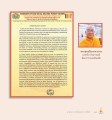
The 55th anniversary of Dhammakaya Foundation Day will be celebrated on February 12, 2025, at the Dhammakaya Centre in Pathumani, Thailand. This event, coinciding with the holy Maghapuja Day, honors t
48
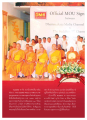
DMC และ Buddhist TV ลงนาม MOU อย่างเป็นทางการ
DMC
The Only One Channel
Official MOU Sign
between
Dhammakaya Media Channel
&
The Buddhist TV Chann
on Wes
29 ten
20
Buddhist TV คือ สถานีโทรทัศน์ที่มาพร้อม
สโลแกน "The Buddhist Peace of Mind to All”
Buddhist TV คือสถานีโทรทัศน์ที่มีสโลแกน 'ความสงบสุขทางใจสำหรับทุกคน' เปิดให้บริการตั้งแต่ปี 2550 ในภาษาสิงหล อังกฤษ และทมิฬ โดยมีการออกอากาศ 24 ชั่วโมง พร้อมข่าวดีว่า Buddhist TV จะมอบเวลาออกอากาศให้
50
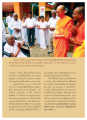
คุณยายวัย 94 ปี เดินทางไปกราบธรรมทูตจากวัดพระธรรมกาย
DMG
Octo
คุณยายท่านหนึ่ง อายุ ๙๔ ปี หลังจากได้ดูรายการถ่ายทอดสดก็รู้สึกปลื้มปีติจนทนอยู่บ้านไม่ไหว
ต้องออกเดินทางจากบ้านตั้งแต่ตี 4 ของวันรุ่งขึ้น พาลูกหลานอีก ๔๐ ชีวิต มาถึงสถานี Buddhist
TV เพื่อจะม
เรื่องราวของคุณยายวัย 94 ปี ที่รู้สึกปลื้มปีติหลังได้ชมรายการถ่ายทอดสด จึงตัดสินใจเดินทางไปยังสถานี Buddhist TV พร้อมลูกหลานเพื่อกราบก๊วนธรรมทูตจากวัดพระธรรมกาย ถึงแม้จะมีระยะทางถึง 6 ชั่วโมง แต่ความต
3
Exploring Buddhist Teachings and Practices
Contents
Preface
Background
Interview
06
07
09
Rebirth & Incarnation
17
Monastic V.S. Secular Life
24
Buddhist Congregation
30
Buddhist View on Sex
33
Death & Afterlife
39
Daily Life of Buddhists Medi
This book delves into various aspects of Buddhism, including the concepts of rebirth and incarnation, the contrast between monastic and secular life, and the daily practices of Buddhists. It offers in
47
Luang Por Dhammajayo: A Journey of Peace and Meditation
About Luang Por Dhammajayo
ceremonies and meditation practices on a regular
basis. He is also the founder and the president of
the Dhammakaya Foundation (www.dhammakaya.
net), an NGO member of the Uni
Luang Por Dhammajayo is the founder of the Dhammakaya Foundation, an influential leader in social and religious activities. The foundation operates globally and promotes meditation and the true nature
188
Message from the Founder and Secretary General of WBSY
Message from Founder and Secretary General of WBSY
It was a greatly inspiring occasion for the World Buddhist Sangha Youth of Sri Lanka to organize the Third General Conference of the World Buddhist
The World Buddhist Sangha Youth of Sri Lanka organized their Third General Conference from 2nd - 5th December 2006, themed 'Tolerance and Harmony'. The event included the 2550 Buddha Jayanti award cer
185
Survival of Buddhism and the Dhammakaya Temple
hoped that future generations would study Buddhism to gain a correct understanding of the realities of life. Thus, if our ancestors were still alive, we can imagine how they would feel about our carel
The survival of Buddhism in Thailand is under threat due to abandoned temples and corrupt practices. The Dhammakaya Temple, however, stands resilient, guided by Buddhist principles imparted by its fou
9
Yuwakalanayamittra Training and Its Impact
activities such as music composing for the 1985 New Year celebration, and exercises on public speaking, advocacy and fundraising for Kathina or robe offerings thus constituted their daily routine. Som
The Yuwakalanayamittra training program has significantly influenced children's lives since its inception. In 1985, activities like music composing and public speaking prepared them for spiritual lead
20
Exploring the Cakras and Early Buddhism
the cakras are located, a location that suggests comparisons with Tantra.
While the primary focus of this journal is dhammakāya, Luang Phaw Dhammajayo has instructed the Director of DIRI, Phrakrupladn
This journal focuses on the study of cakras and early Buddhism, emphasizing neutrality across Buddhist schools. Under the direction of Luang Phaw Dhammajayo, the Director of DIRI, Phrakrupladnayokwara
101
Understanding the Pāli Verses and Buddhist Doctrine
The Text
The first nine leaves are inscribed with Pāli verses and a commentary in Tai Yuan.4 The final leaf of the manuscript is an addendum, inscribed with a stanza of the Dvatiṃsa-mahāpuruśa-lakkhaṇ
The manuscript presents Pāli verses and commentary in Tai Yuan, summarizing Buddhist doctrines about the Buddha's physical body and wisdom. It includes thirty stanzas highlighting qualities like divin
138
Exploring Chinese Philosophical Texts and Their Influence
Kohn, Livia, and Yoshinobu Sakade. Taoist Meditation and Longevity Techniques. Center for Chinese Studies, University of Michigan, 1989.
Mair, Victor H. “What Is Geyi, After All?” In Philosophy and Re
This collection examines various texts that shed light on the development of Chinese philosophical thought and literary traditions. Works range from Livia Kohn's exploration of Taoist meditation pract
251
หลักฐานธรรมในคัมภีร์พระธรรม
หลักฐานธรรมในคัมภีร์พระธรรมนั้น 1 ฉบับประชาชน
Harrison, Paul M. 1990. The Samādhi of direct encounter with the Buddhas of the present: an annotated English translation of the Tibetan version of the P
เนื้อหานี้นำเสนอการสำรวจหลักฐานธรรมในคัมภีร์พระธรรมโดยการอ้างอิงงานศึกษาที่สำคัญเกี่ยวกับ Dhamma-kāya และความสัมพันธ์ระหว่างมันกับการบรรลุ enlightenment งานที่สำคัญเช่น เพื่อบันทึกการพัฒนาและการประยุก
559
Buddhist Literature and Manuscripts
Bailey, H. W. 1979. *Dictionary of Khotan Saka*. Cambridge: Cambridge University Press.
Banerjee, Anukul Chandra. 1979. *Sarvästivāda literature*. Calcutta: The World Press Private Limited.
Batchelor,
This collection features important works and studies related to Buddhist literature and manuscripts, covering a range of topics including the Khotan Saka dictionary, Sarvästivāda literature, and the s
567
The Heart of Dhammakaya Meditation
Oslo: Hermes Pub.
Jayamanggalo, Phra Maha Sermchai. 1997. The Heart of Dhammakaya Meditation. 2nd ed. Bangkok: Dhammakaya Buddhist Meditation Foundation.
Jherora. 2013. ทางสายกลาง (ตอนที่ 2) [cited 15
The text discusses the essence of Dhammakaya meditation, emphasizing its relevance in achieving mindfulness and spiritual growth. The content encompasses various scholarly works and references related
83
Paleographical Analysis and Buddhist Manuscripts
Sander, Lore. 2000. “Appendix: A brief paleographical analysis of the Braāhmī manuscripts in volume I.” In J. Braarvig, eds., Buddhist manuscripts vol 1, pp. 285-300. Oslo: Hermes Pub. Original editio
This section presents a brief paleographical analysis of the Brahmi manuscripts in Buddhist texts as compiled by various scholars. Notable contributions include analyses by Sander (2000) on manuscript
78
Kathina Day Celebration in Buddhism
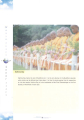
Kathina Day
Kathina Day marks the end of Buddhist lent. It is the only festival in the Buddhist calendar when monks can be offered new triple robes. It is thus the most popular time for supporters to
Kathina Day is a significant celebration in Buddhism that marks the end of Buddhist lent. This unique festival is the only day in the Buddhist calendar when monks can receive new triple robes from the
72
Understanding Vinaya: The Code of Conduct in Buddhism
'Vinaya' means 'code of conduct', 'discipline' and 'regulations'on the behaviour of individuals. As a collection, it is the name of the first portion of the Buddhist Canon [Vinaya-piṭaka] which deals
Vinaya refers to the code of conduct governing the behavior of individuals within the Buddhist community, particularly monks and nuns. It encompasses the Vinaya-piṭaka, the first portion of the Buddhi
125
Understanding Key Buddhist Concepts
"Fools" (palay): spiritually defective people. A fool is someone wicked, weak, or feeble in a moral sense. His discretion is faulty, not knowing right from wrong, good from bad. A fool is one who give
This content delves into various Buddhist concepts such as 'fools'—spiritually defective individuals whose actions reflect moral weakness. It explains that heaven in Buddhism comprises six levels prov